Table Of Content

If your ombre or balayage hair is looking brassy, they’ll work for you too. Hair toners are used as an after-color process to help maintain your color or correct any unwanted tones in your hair. But for us, we can use the wheel to keep our hair dye color in check at home with color toning shampoo. While bleaching your hair isn’t recommended if you don’t know what you are doing, the color wheel can actually guide you to the perfect hue and balance of tonality.
The Verdict – Pearl or Ash Blonde Hair Dye
Unlike permanent hair dye, semi-permanent dye adds color to the hair without significantly altering the natural pigment. It's worth noting that semi-permanent hair dye can't lighten your natural hair color; It can only deposit color and add richness. So typically, hair needs to be pre-lightened to use semi-permanent color. The very first thing you must understand before coloring your hair is the levels of hair color. Natural hair colors are organized into levels from 1 – the darkest (black) to 10 – the lightest (blonde).
The Color Circle

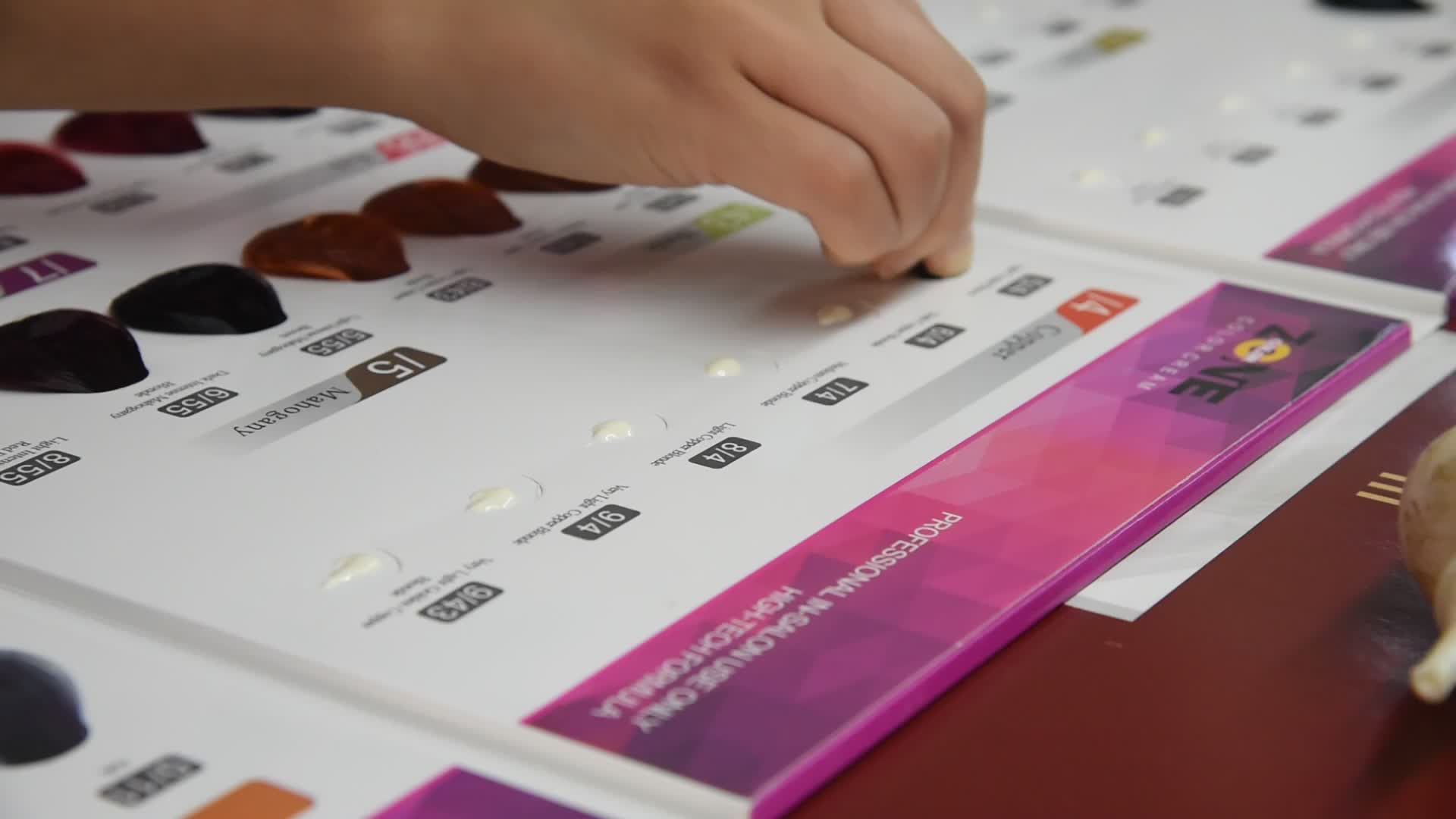
You can discover your starting level by determining how close your hair is to black or blonde. For example, if your hair is a medium brown color, you may be a level 5, because it’s right in the middle between black and blonde. A hair color chart shows tones from blonde to black and makes it easier to find a color in a particular range and its possible appearance on hair strands. The majority of charts provides many options for each of the main colors and in cool, warm, and neutral tones. When it comes to trying to create a true, natural pearl or ash blonde hair dye, it’s hard to find a good manufacturer because of the color’s rarity and lack of pigment.
The Colour Circle
It's worth noting that changing or reversing a permanent color can be challenging and will likely require additional chemical processes, further damaging and stressing the hair. Permanent hair dye works via a combination of ammonia and peroxide, Gibson explains. The ammonia helps lift the outer layer of the hair, called the cuticle, making it more receptive to color. The peroxide then helps oxidize and activate the color molecules, allowing them to penetrate the hair shaft. Once the color is inside the hair, it undergoes a process to develop and bond, providing a long-lasting hue. The key to finding the right shade of ash hair for you is understanding how different tones work with your complexion.
UNDERSTANDING THE ULTRA COLOR NUMBERING SYSTEM
It helps determine which shades will best suit your natural color, as well as any future coloring services like highlights or lowlights. This video explains really well how to use the color chart to find the right color hair dye for you. That’s when a hair dye job has gone wrong or brassy tones like orange and yellow start showing through. Its main purpose is to help people understand the relationships between colors. That’s whether you want to change your hair color, tone it down or find the right color for you.
However, know that these cannot achieve any type of lift in the hair. This means it’s going to show up best on hair levels 7 and higher. It doesn’t mean you can’t use it on your hair if your hair is darker than level 7 hair color; it just may not show up as noticeable (or at all) if your hair is darker. Read on to get a better understanding of hair color levels and underlying pigments, select the right color goals and avoid having a box dye horror story yourself. While the Lightening Curve is helpful in understanding hair depth and shade, the Colour Circle is used to figure out the toner required to complement or correct tones in the hair. It’s all based on colour theory; the understanding that colours opposite each other on the colour wheel will neutralize one another, while side-by-side colours will create a whole new hue.
You’ve got the full lowdown on the Lightening Curve and the Colour Circle. Now, let’s look at how they correlate with a numbering system to create a hair colour formula. The Lightening Curve, seen below, is essentially a diagram that helps colourists determine the correct shade for their client’s hair. Whether going into the salon or DIYing at home, it's important to understand the basics of hair dyes. Luckily, we tapped some of our favorite professionals—April Allen, Laura Gibson, and Tatiana Ramos—to break down everything you need to know about the five hair color types and how to use them.
The Best At-Home Hair Color for Women, According to DIY Dye-ers - PureWow
The Best At-Home Hair Color for Women, According to DIY Dye-ers.
Posted: Mon, 27 Jun 2022 07:00:00 GMT [source]
For instance, if you have pink undertones, lighter coppery reds are a good match. Those with medium skin tones can opt for auburn or burgundy shades, while vibrant cherry-red complements darker skin tones for a stunning look. Brown, also known as brunette, is the second most common hair color. It’s not as simple as saying, “I want my hair to go brown,” because brown is a hair color group rather than a single color. With various shades ranging from dark to light, they can suit almost all skin tones. The first number that comes after the period or slash indicates the primary tone, which dominates the hair color, and it can be cool, warm, or neutral.
All of these colors create for a truly unique hairstyle, though it can also be a little confusing when trying to figure out how the dye codes work. In this case, remember that higher numbers tend to be darker with L’Oreal. One of its highlights, though, is that this particular line of hair dyes is full of color and shine, making hair seem happier and healthier after use. Demi-permanent hair dye blends the characteristics of both permanent and semi-permanent options, resulting in a medium-term hair color. On the other hand, white blonde hair color is an extremely pale and cool-toned version of blonde.
Some colors that really stand out in the hair color chart are the true red pomegranate, light reddish brown, and deep burgundy. Once you’ve picked a level that’s up to 2 levels lighter or darker than your existing color, it’s time to think about tone. To offset brassiness, you’ll need cool ash tones (look for a “1” in the number).
Perhaps the greatest benefit of demi-permanent hair dye is its low maintenance. Because the grow-out process looks fairly natural, there's no need to visit the salon for touch-ups unless you'd like to keep the color. Permanent hair dye is a great option for anyone looking to cover up grays.
The hair color wheel explains everything you need to know about shade, tint, and hue. It groups hues into families – where colors like burgundy is part of the red hue family, or lilac is part of the pink hue family. From uneven color to breaking hair, we all have heard many horror stories about how an at-home color with box dye had gone wrong. If you don’t understand what your hair color level is or what undertones it has, applying a chemical can escalate to a bad situation very quickly. This formula is easy to apply and boasts skin-flattering pigments, which means the color is designed to better match the natural tones of a person’s skin so they don’t clash. This is a permanent hair dye, which means it should not wash out, even during regular shampooing and conditioning.
From cleansing color shampoo to conditioning mousse and color refresh conditioner, browse all our hair color protection and care products. Consider this your chance to demystify the salon experience, and your opportunity to 'try on' a hair color before you fully commit. Colorists, read on to brush up on the skills you’ve already expertly honed. Permanent hair dye is, in fact, fairly permanent, though it can fade in tonality over time and require touch-ups as new growth comes in.
In general, warmer tones flatter cooler skin tones, and vice versa. If you have neutral tones, you have the freedom to choose any hair color you prefer, but choosing overly warm and overly cool tones is not a good idea. From there, use a hair color wheel to see what shades of hair best match with both hair levels and undertones.
Unlike a lot of products, this manufacturer also includes the required tools and utensils, which many others avoid. The figure before the stroke denotes the depth (how light or dark the hair is), and the figure after indicates what color you’ll see. When you get your hair colored, you might hear your colorist reeling off all manner of random numbers. The tables below show what each one means, and how they combine to make the most flawless hue. You’ve got the full lowdown on the Lightening Curve and the Color Circle. Now, let’s look at how they correlate with a numbering system to create a hair color formula.
To achieve it, you’ll want to reach the depth of a 4/, 5/ or a 6/ then add the tone of a red-violet /5 to achieve that rich, radiant finish, depending on the undertones. The Lightening Curve, seen below, is essentially a diagram that helps colorists determine the correct shade for their client’s hair. While we can’t lift the lid on every secret your stylist has up their sleeve, we’re giving you a little more insight into how the Wella hair color charts are used. When you're looking for a change in life, switching up your hair color is a surefire way to get yourself in a new head space—literally and figuratively. But you can't simply slap on some dye and pray for the best, or hop into the salon chair with your fingers crossed.



No comments:
Post a Comment